Greek Yogurt Cake ©
My favourite Cake !

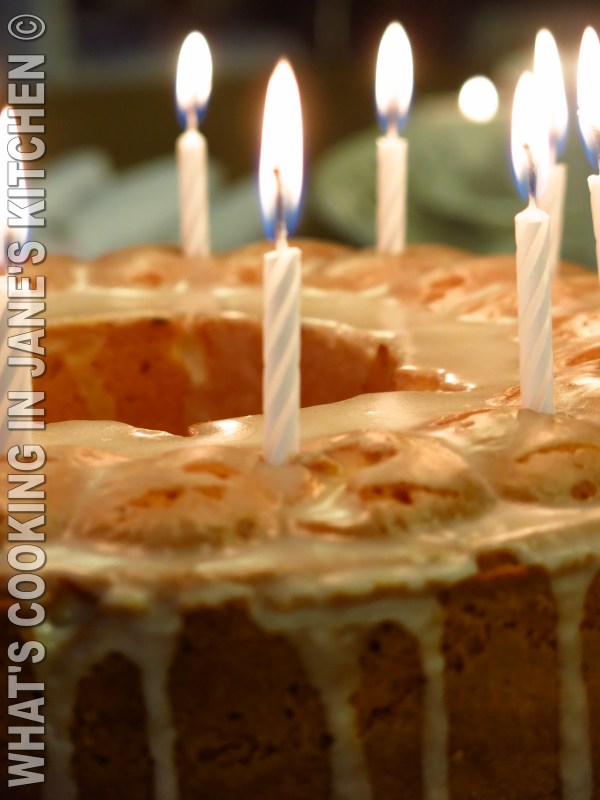
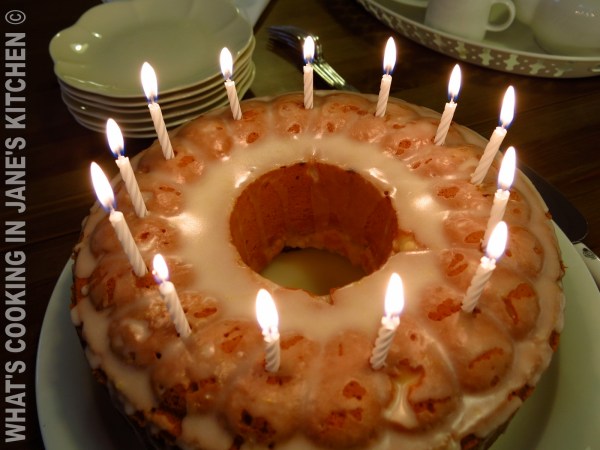
One candle for every month of the year!
Once upon a time in the ‘Good Old Days’ as we have come to call them, a very dear family friend used to make us this delicious cake.
She was an excellent cook and was from that generation that loved to make anything one asked her for.!!!! It was always for a special occasion that she made this cake, all cozy in the kitchen and out would come the cake tin! A buzz of excitement filled the air and us children took up our positions around the table to watch the fascinating process of making the cake. There were no ‘Mixers’ in those days, or certainly not where we lived on the island, so all the mixing was done by hand and after much beating and hopefully a little left for us girls to scrape from the bowl, into the oven the cake went. The house soon filled with a mouth watering smell of freshly baked cake, the kettle went on, the fire was lit and down we sat to a scrumptious tea.
This is the original recipe, which I have kept all these years safely in my recipe book.

Greek Yogurt Cake With Lemon Icing
Medium Easy
This is a good old fashioned large Cake and will easily
be enough for 15-20 people.
Oven Temperature 200.C/400.F
Cooking Time 30 to 40 minutes.
Ingredients
200g full fat ‘Total’ Greek yogurt or sheep’s yogurt
200g white caster sugar
200g butter which has been out of refrigerator for 1 hour to soften
600 g self raising flour or plain flour and 4 tsp baking powder
5 whole eggs
Juice of one orange or blood orange (125 ml)
Zest of Seville Orange, or if not available 1Valencia orange zest
Melted butter for greasing cake tin and 1 tbs flour for dusting cake tin
A dash of milk, if cake mixture is too stiff
Lemon Icing
1 medium lemon juice
1 lemon zest,
200 g icing sugar or enough icing sugar so that icing coats the back of a spoon once the lemon is added.
Method
1. Pre-heat oven to 200.C 400.F. Place shelf slightly lower than the center. Take butter out of fridge 1 hour before to soften, or it will be very difficult to beat together with sugar.
2. Melt a little butter and grease cake tin using a pastry brush. Your cake tin needs to be 26 cm in diameter and 7.5 cm deep. (This is important.) This is the standard size of a large cake tin. The one I use is non stick and has a spring bottom. The bottom I used for this cake is the patterned one with a whole in the middle. If your cake tin does not have a whole in the center, it may take longer to cook. Use classic skewer test for readiness.
3. Once your cake tin is well greased, bottom, sides and center funnel, add a teaspoon of flour and shake well around the inside of your cake tin. Then turn upside down and sharply tap over your sink, so that only a very fine layer of flour remains. If too much remains it will show when you turn out your cake.
4. Gather all your ingredients together. Place butter in large mixing bowl, add sugar and mix with whisk for at least five minutes until light and fluffy. This is the most important part of all cake making as the most air is beaten in as the sugar dissolves and the butter softens. Sieve flour into separate bowl, so that it will have been sieved twice in all. This also adds air and gives you a lighter cake.
5. Then add your eggs one by one and beat until mixture stiffens again and your egg is thoroughly incorporated. Because there are a large amount of eggs in this recipe, your mixture can easily curdle, which would be a pity as you lose a lot of air. Should this happen add 2 table spoons of flour and it will right its self. The best way is to add the eggs slowly and it will not curdle. Always break open eggs into a separate bowl first, incase one of the eggs is fishy/bad. At least this way you don’t lose all the cake mixture.
6. Now add your yogurt, mix well and add ‘finely’ grated Seville or Valencia orange zest, grated on the fine zester. Your mixture will now be very liquid. Add half your orange juice. Reserve rest for next stage.
7. Sieve half flour over your cake mixture. Always fold in by hand, using a spatula, cutting across your mixture, lifting and folding over. Give a half turn to your bowl anti-clockwise and repeat until partially mixed in. A Mixer does not do this as well as by hand. By hand more air is incorporated. Then pour over the rest of your orange juice and sieve over rest of flour. As you mix, you should have a pliable dough mixture. If, due to differences in flour, your mixture is very hard work to fold, add a little extra milk. My mixture was a bit too stiff, so it produced more cracks in the final result. In this recipe I have slightly reduced the quantity of flour. It rose amazingly though to 10 cm !!!
8. Spoon into cake tin and make a small groove round the middle of the cake, like a canal, so that it rises evenly.
9. Place in ‘Center’ of preheated oven. In other words your shelf should be slightly lower than the center of your oven.
10. Bake ‘without’ opening your oven door, during cooking. This is very important or the draft causes the cake to fall. Once the cooking time is up, open door just enough to be able to test with a skewer in the center of your cake. Only if it comes out clean, right to the bottom, is your cake ready. If skewer is not clean, leave cake another five minutes and test again. You don’t want to over cook it, or it dries out and you want it nice and moist.
11. Once cooked, remove from oven, leave five minutes in tin to slightly shrink. Run knife around the outer and inner rim and turn out onto cake rack to cool.
12. In the mean time, place icing sugar in bowl. ( Be sure to buy non ‘lumpy’ icing sugar, or you will need to sieve it first.) Add lemon juice and ‘finely’ grated lemon zest and mix well. The consistency should be that of thick cream and should coat the back of a spoon, so that when you spoon it over your cake it does not all run away and remains mostly on the cake!
When your cake is ‘completely’ cold spoon over icing. This icing could also be Orange or Tangerine flavoured.
N.B. Follow these instructions carefully, as they are all given to help you attain the best result, a light fluffy tasty cake!

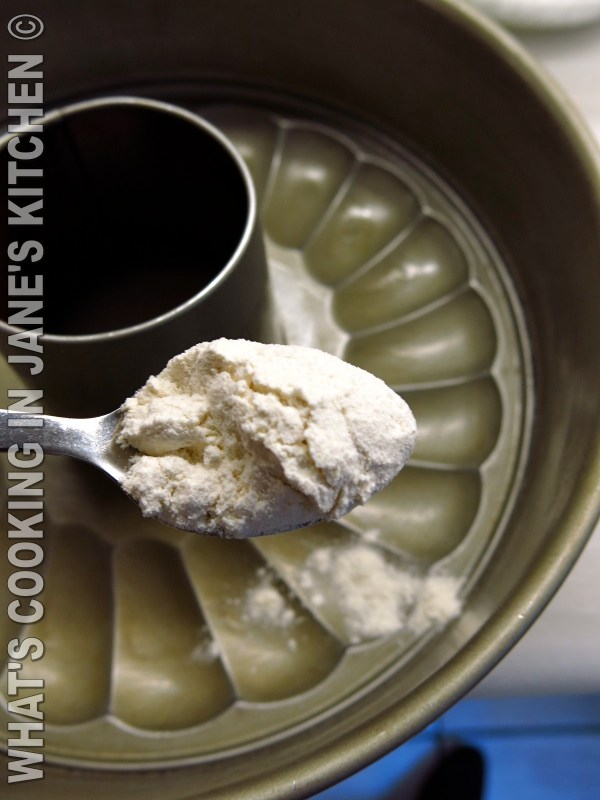

Melt butter, grease cake tin thoroughly, add a teaspoon of flour and shake all around your cake tin.
Turn upside down over sink and give your tin a sharp tap for excess flour to fall out.

Pre-heat oven to 200.C/400.F
Gather your ingredients together.
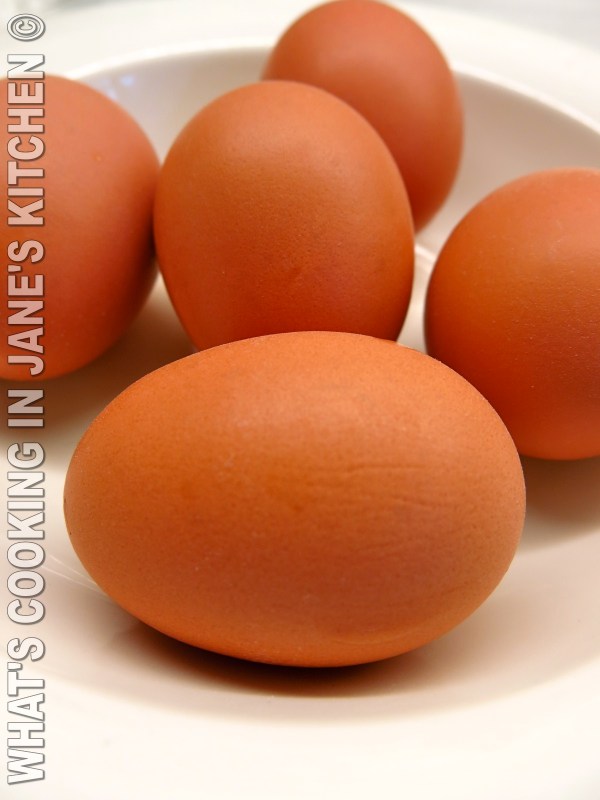
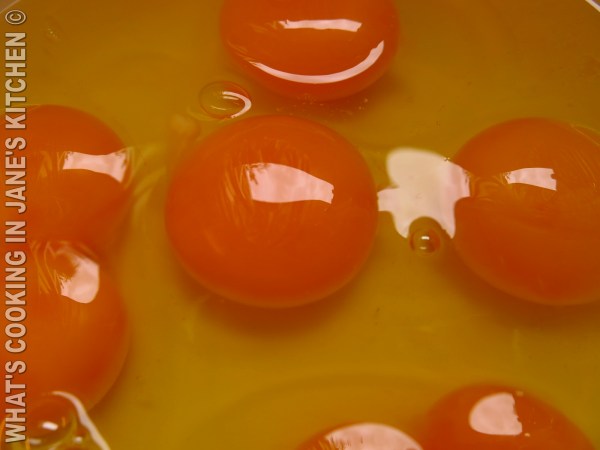
Break eggs into bowl.
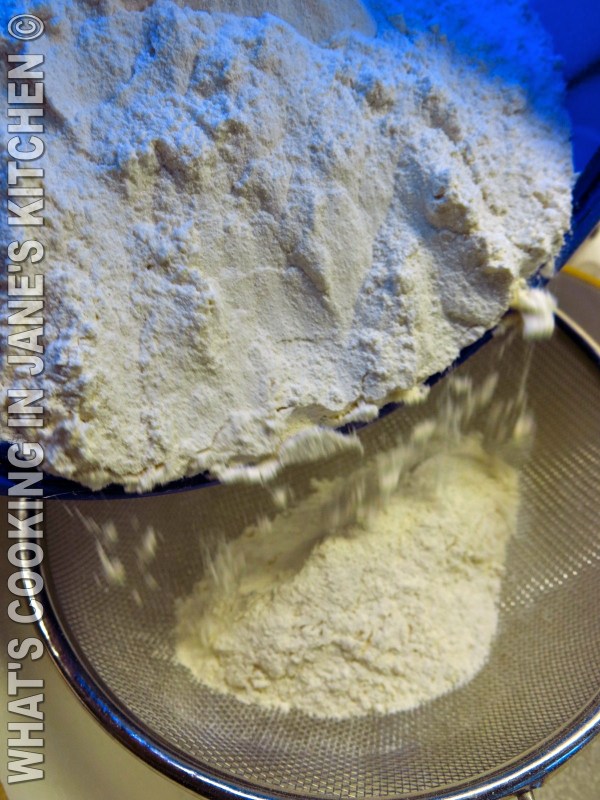
Sieve flour into bowl. This adds air to your cake.

Choose a nice Valencia or Seville Orange with a clean outer skin, so that you can grate the zest.
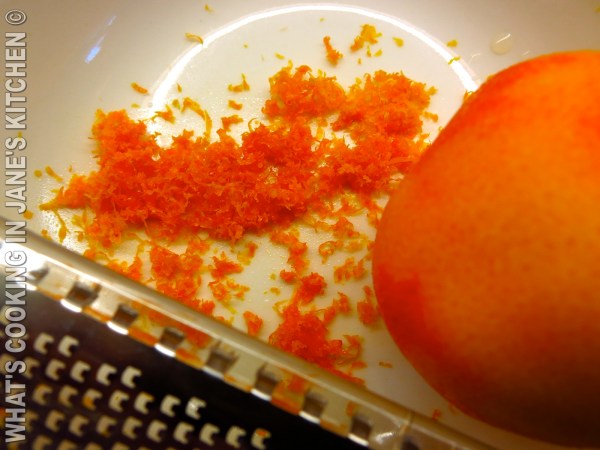
Grate zest very finely.

Gather all your prepared ingredients together, before starting to mix your cake. Once you start you want to continue
until you put your cake in the oven, as any delays mean you lose the air out of your cake and it will be heavy! So leave
that phone call for later, as you are making an important cake!
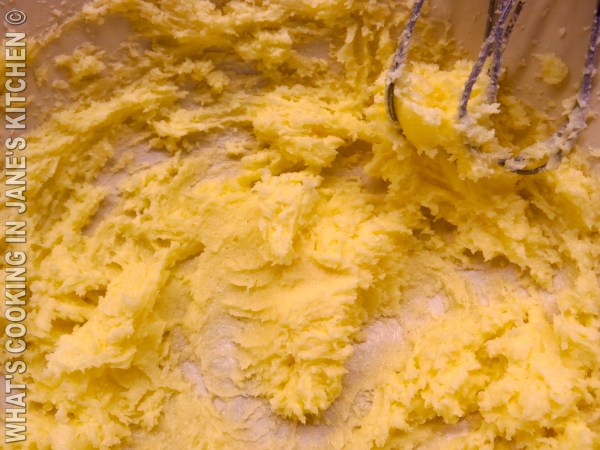
Mix softened butter and caster sugar until light and fluffy. This takes five minutes, no less.

Add eggs one by one and beat until mixture stiffens again and the egg is thoroughly mixed in. This should not be hurried,
or your cake mixture will curdle. If it does add 2 tbs flour and it will come right again.

After adding all your eggs, your mixture should look like this. Light, creamy and fluffy. Now add Yogurt.
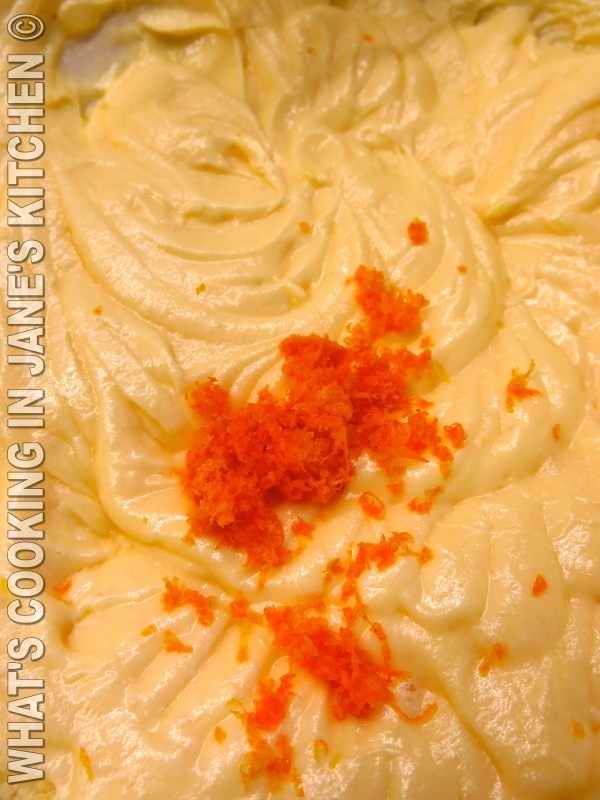
Add orange zest, mix thoroughly and then add half your orange juice. This is about all the liquid the mixture can absorb
at this stage. Any more and it will curdle.
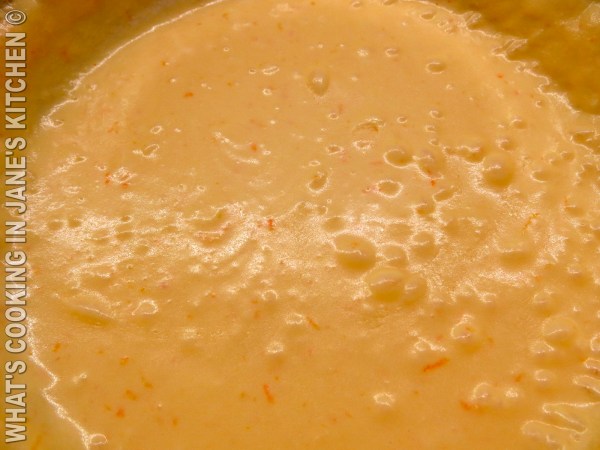
As soon as you stop beating you will see the bubbles of air rising up. If left to stand all the air you have beaten into your
cake will pop out and be lost, so get on straight away and add your sieved flour.
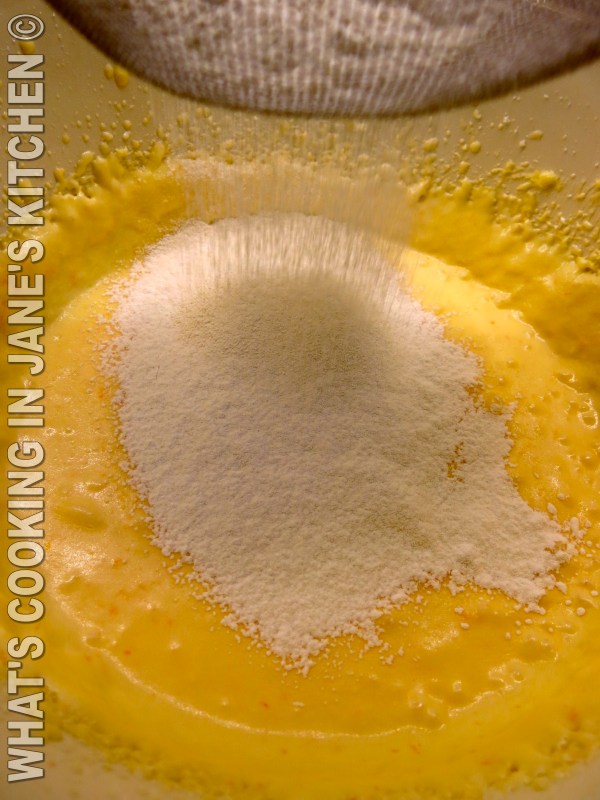
Sieve half your flour into your cake mixture.

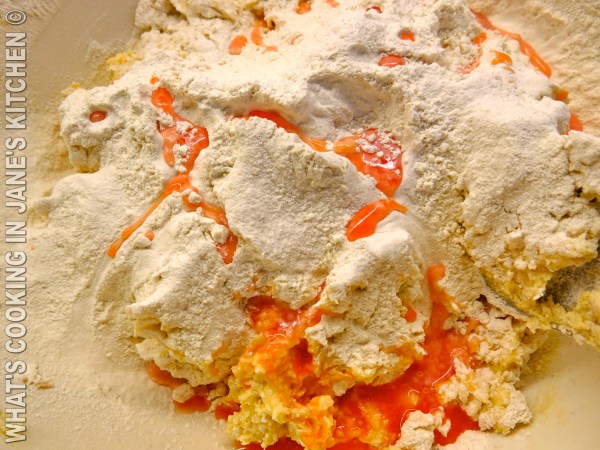
Fold flour always in by hand, don’t use mixer. By hand your cake becomes much lighter.
Fold by cutting across, lifting and turning your mixture lightly over. Give your bowl a half turn anti-clockwise and repeat
until your flour is partially mixed in, then add rest of orange juice and flour and mix until flour is just incorporated.
Don’t over mix, you will lose air. See this last stage below.
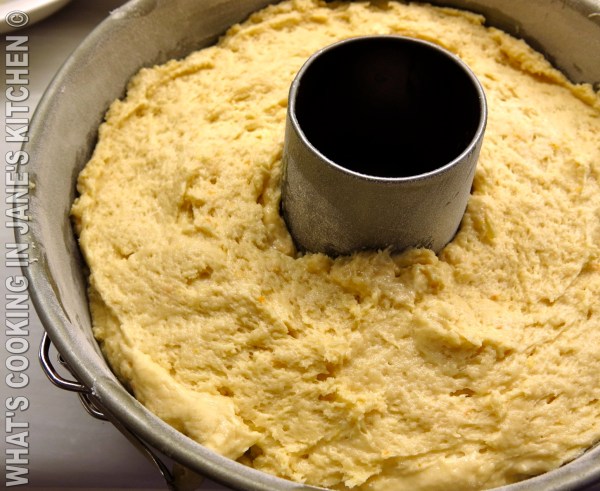
Turn straight out into pre-prepared cake tin, flatten out very lightly on top, adding a small thumb line indentation round
the center of cake,so that it rises evenly. ( This is not shown here. )
Place in center of pre-heated oven for 30-45 minutes. After 30 minutes, open oven just enough to test center of cake with
skewer. It is cooked if it comes out clean. If not leave another 5 minutes and test again. Do not take cake out to do this,
the cold air will cause it to shrink.
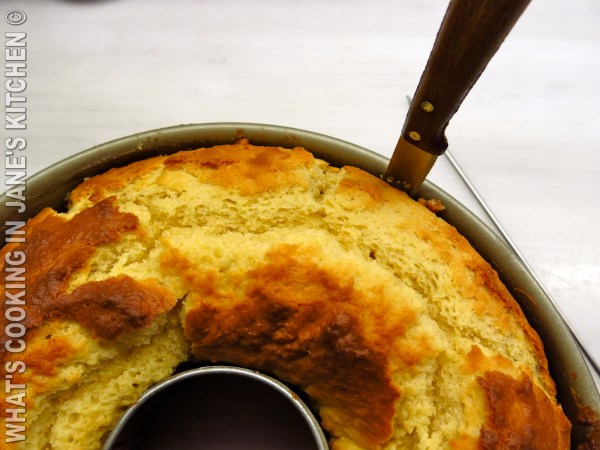
Take cake out of oven, leave to shrink five minutes as it cools and run knife around out side and inside ring.
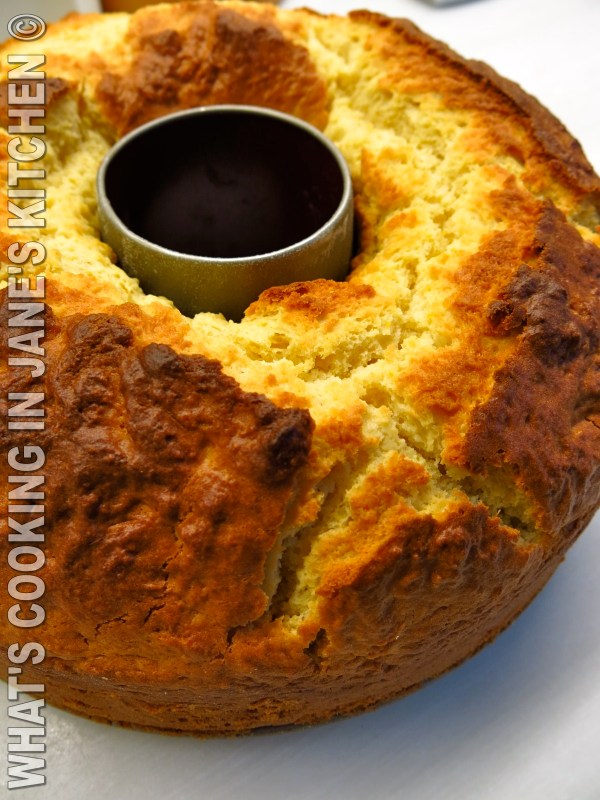
Release spring bottom cake tin.
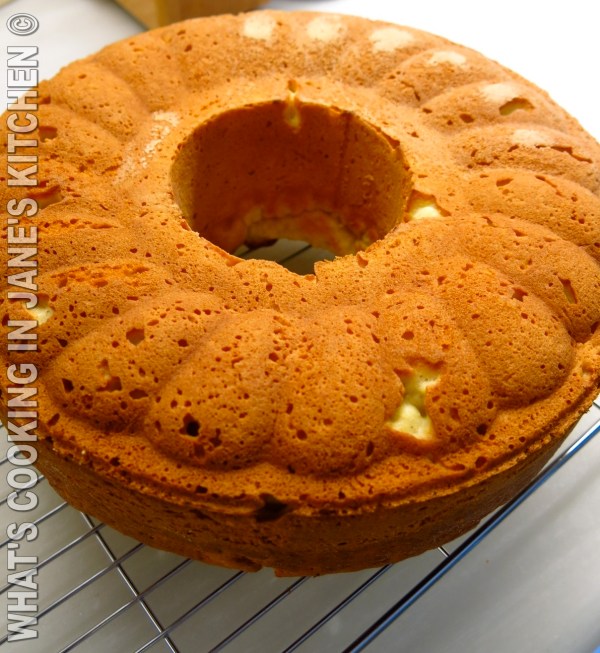
Turn out onto cooking rack. There was so much air beaten into this cake it rose 10 cm and has lots of lovely holes.
This is a sign of a lovely light cake.

Leave to cool.
ICING :
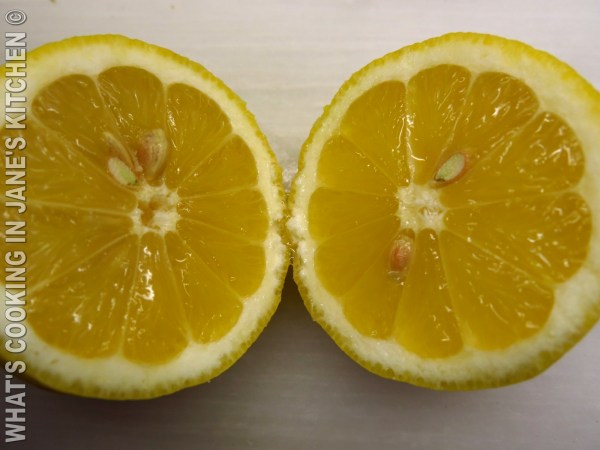

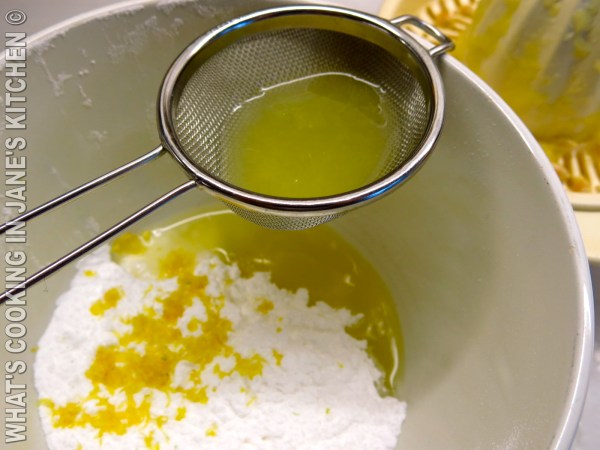
Mix well, add more icing sugar if necessary so that it coats the back of a spoon. Spoon over cake……
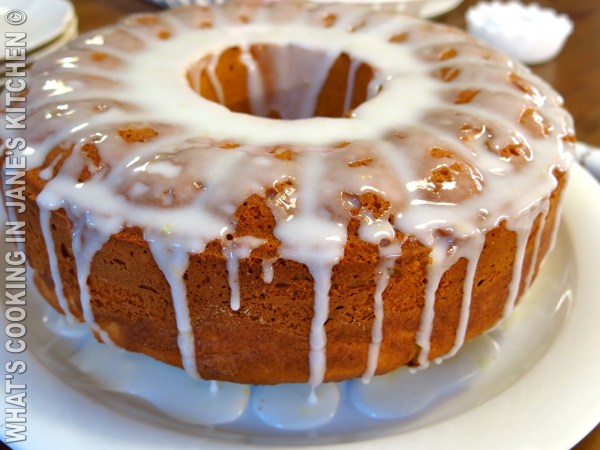


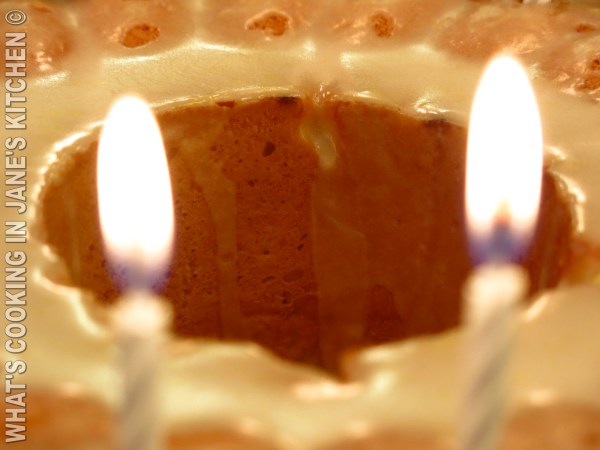

Beautifully light and crumbly. Plenty of holes showing lightness and aerated texture.
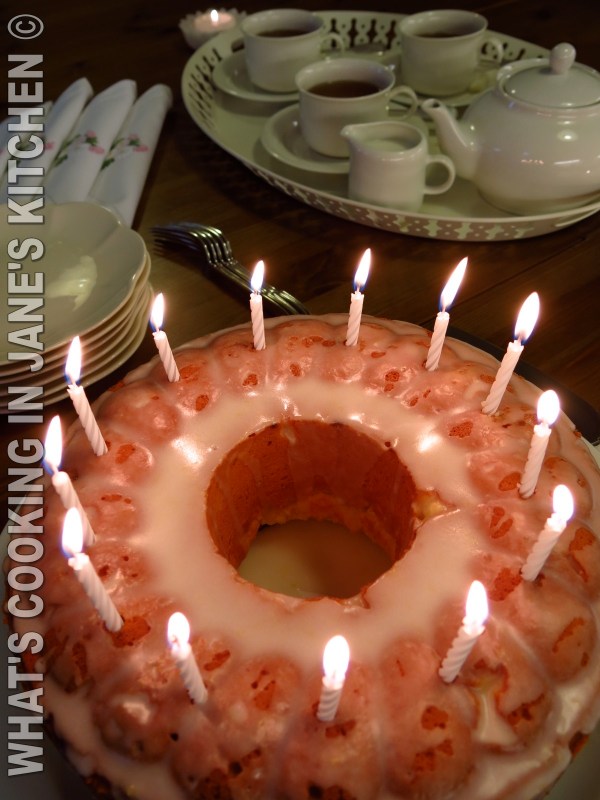
Tea Time !
 What's Cooking In Jane's Kitchen
Congratulations ! I am having a piece for breakfast ,delicious. To many many more years!
xxx Nick
LikeLike
This looks DELICIOUS!
LikeLike
Thank you! It was…….:)
LikeLike
Reblogged this on What's Cooking In Jane's Kitchen and commented:
Specially for my Birthday!
LikeLike