Stuffed Calamari ©
This is a lenten dish, but can be eaten all the year round and really brings out the taste of the calamari.(calamari is the Italian name for ‘Squid’ in English). You can buy big or small calamari, fresh or frozen. I chose some small fresh ones as I thought they would be more tender, they were just a bit more fiddly to fill. They make a perfect lenten meal, or as part of the meal at the ‘Clean Monday Feast.’ This marks the beginning of lent in Greece.
This is for Flora who inspired me to make “Stuffed Calamari.” She made them for us on ‘Clean Monday,’ when she was a student in my ‘Cooking Class.’
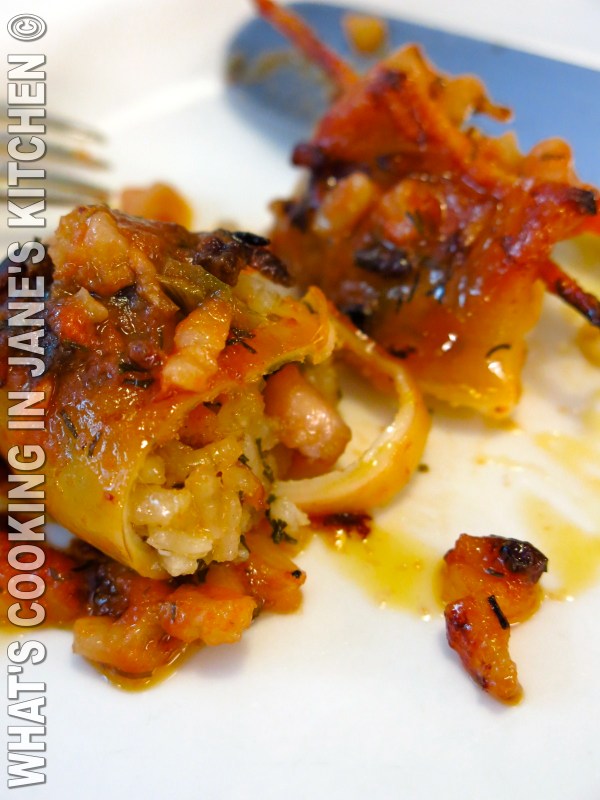
Easy
6-8 Persons
Ingredients
These quantities filled 13 five centimeter calamari.If you have medium to big Calamari you must double up the quantities.
2 Calamari per person if small, if big 1 per person
8 Spring Onions
1 Bunch Fennel Leaves from the fennel bulb (Maratho from Marathoriza ) or Wild Fennel (Maratho) or Dill ( Anitho )
1 chili ( Optional )
4 tbs of patna rice (Greek Glace) or other rice of your choice. Basmati also works very well.
(You can calculate 1 tbs of uncooked rice per 2-3 medium Calamari. My 4 tbs filled 13 small 5 cm Calamari )
1 Carton of ‘Pommaro’ Tomato purée, or a tin of chopped tomatoes, passed through a sieve or blender
2 tbs Olive oil
Salt Pepper
Method
1. Buy fresh Calamari from your reliable fishmonger, or choose a packet of medium sized to small frozen Calamari from the Supermarket.
2. Leave over night on a plate to de-frost at room temperature, or a quicker method is to soak them in salted water, when they will take much less time to de-frost.
3. Wash very thoroughly inside and out. Place fingers inside and pull out the hard long strip of Cartilage. Then cut the tentacles off and reserve. What is left is the head, eyes and body. Some leave the head and cut away the eyes. I pull the head, eyes and inner body away altogether, leaving the tube of the Calamari for stuffing and the tentacles, which I chop and add to the stuffing.(See pictures.)Drain in Colander.
4. Chop spring onions and herbs finely and gently fry, together with chopped Calamari tentacles in a frying pan for ten minutes.
5. Add rice and 50ml ( small glass ) of water or purée tomato. Fry for another five minutes until water has reduced and you have a sloppy stuffing.
6. Using a small teaspoon, stuff the tubes of your Calamari 2/3 full. No more as the rice will swell and pin closed with a tooth-pick. See photograph below.
7. Place in oven-proof dish. Drizzle with tomato olive oil and any left over stuffing. It is a good idea to combine these first and then pour over.
8. Place in pre-heated oven at 200.C/ 400.F covered with tin foil for 20 minutes. Uncover and allow to just brown a little before serving.
N.B Like all sea food the fresher the better and as soon as you buy them you should cook them!
This is what you are aiming for.
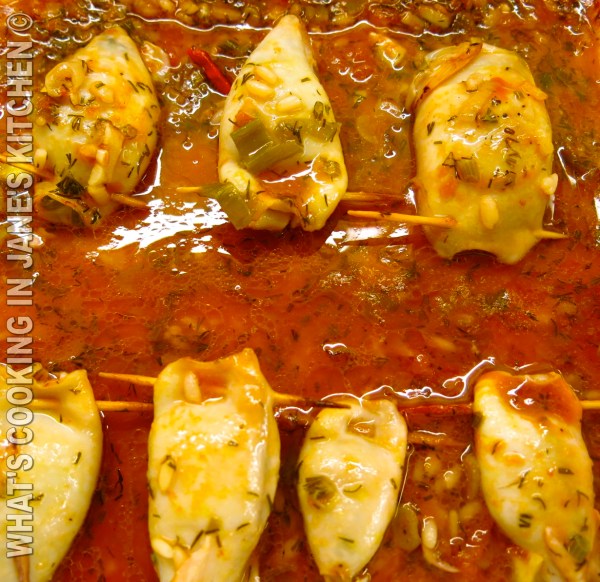
Stuffed Calamari.
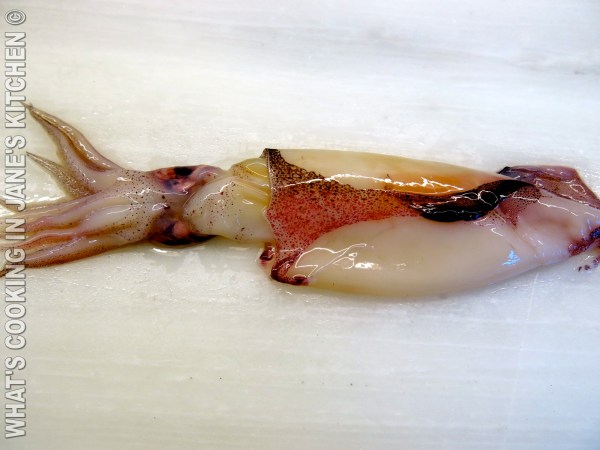
This is how your Calamari will look like when you buy it.
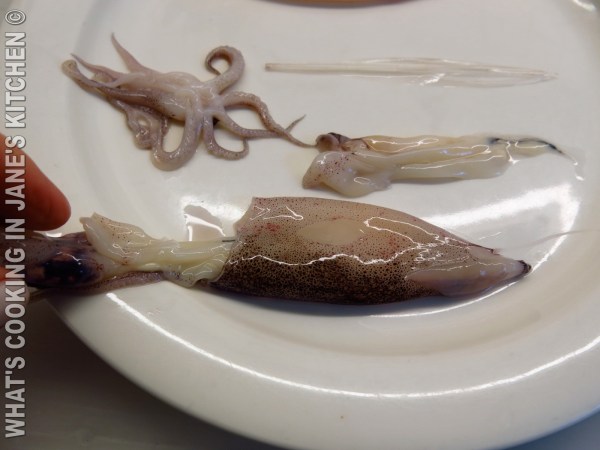
Here it shows I have cut off the tentacles, removed the long piece of cartilage from inside the body, and am pulling on the head and inner body to remove and discard. Some keep the head on and add the ink from the eyes, to the sauce!
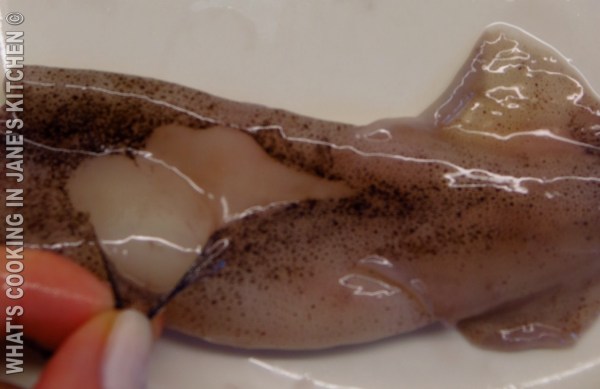
Now pull away the skin.
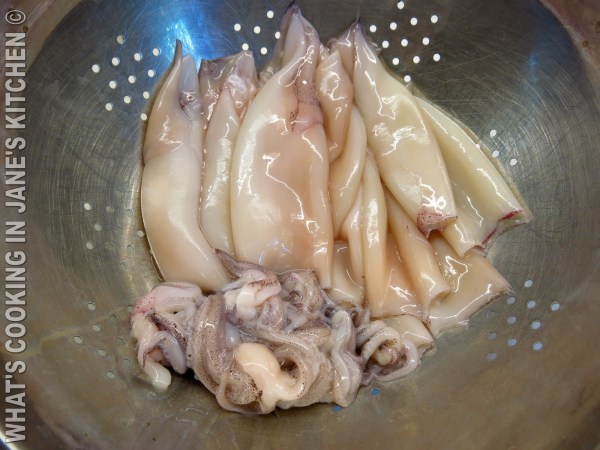
Leave Calamari tubes and tentacles to drain in colander.
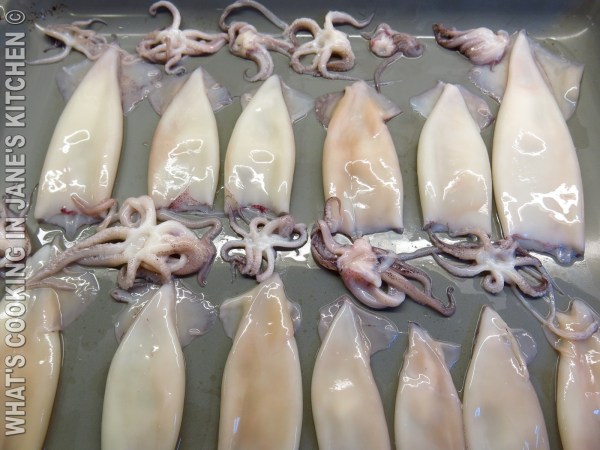
Lay Calamari out, ready for stuffing.
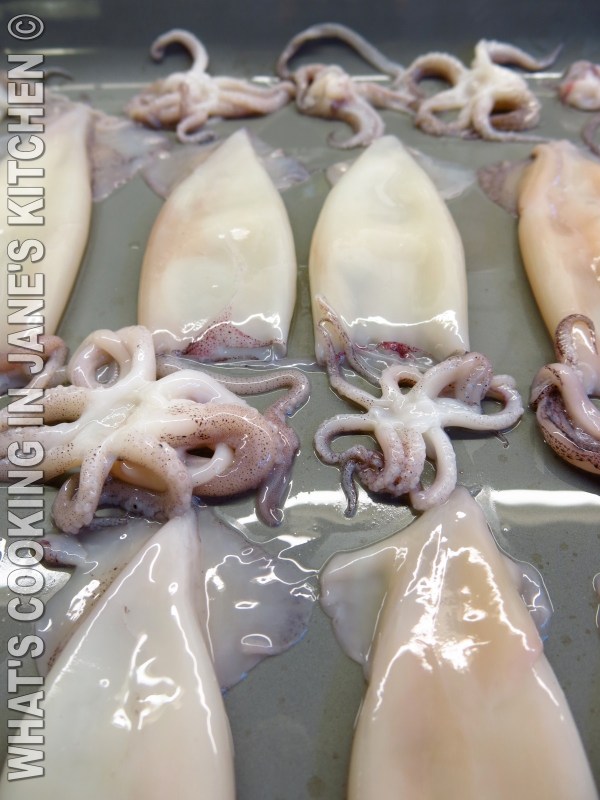
Take tentacles and chop for stuffing.
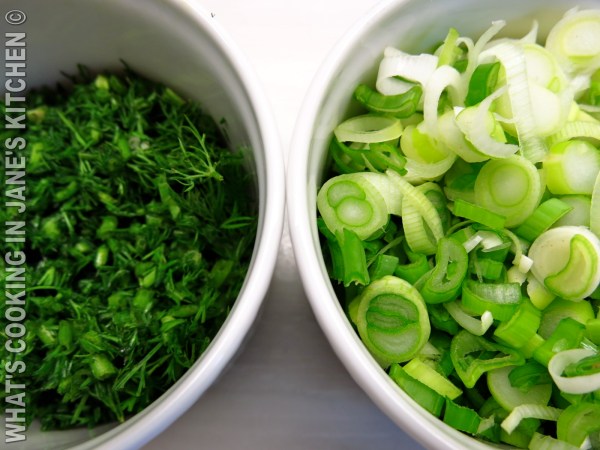
Chop your spring onions and fennel or dill leaves.
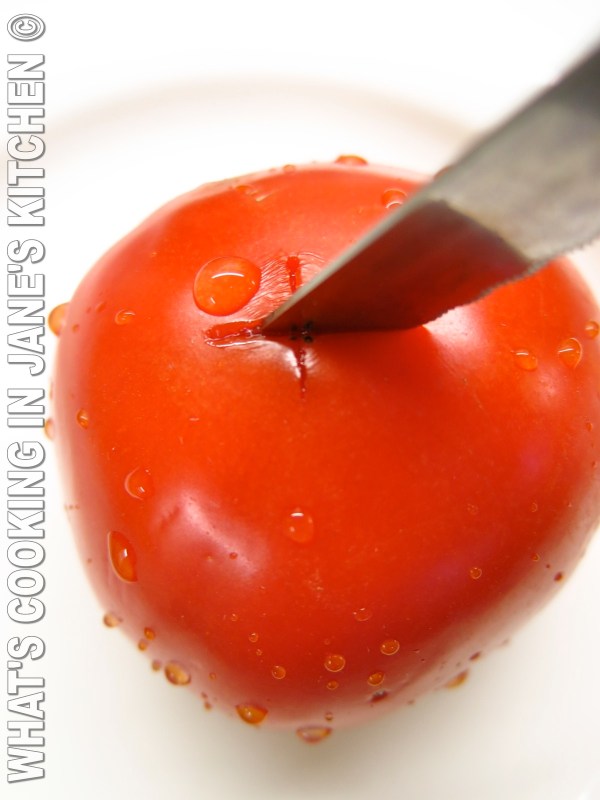
If using fresh tomato, cut a small cross in the upper, non-stalk end of the tomato and plunge into boiling water.


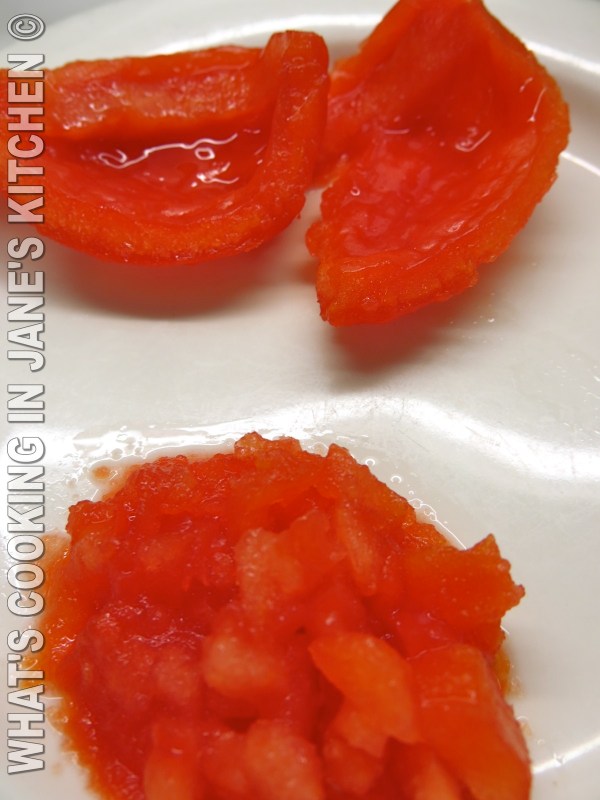
Chop tomato into cubes.
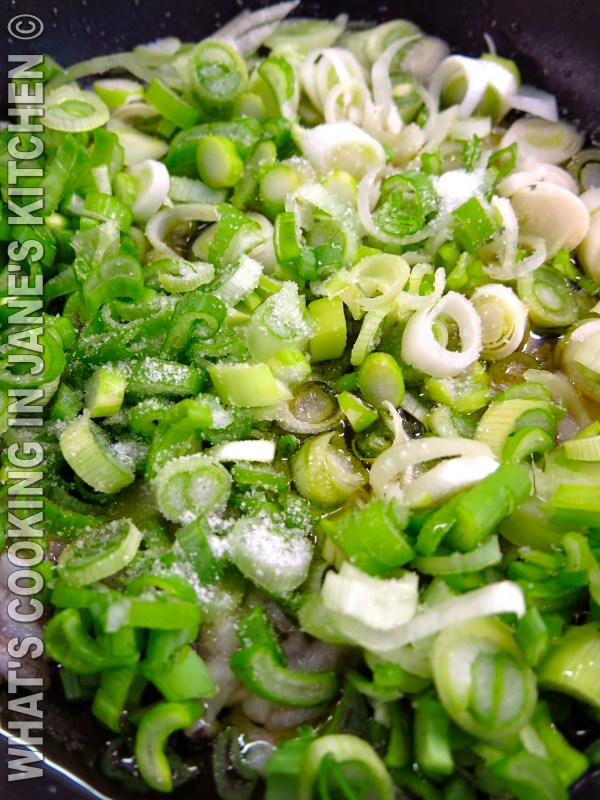
Place spring onions, chopped Calamari tentacles, in frying pan with olive oil and gently fry for ten minutes. After five minutes of frying, add 4 tbs of water.
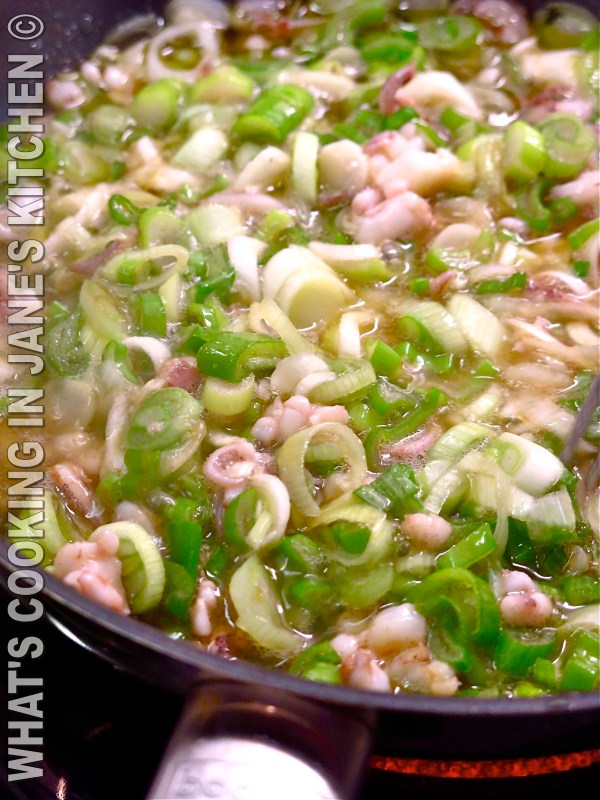
The Calamari tentacles will turn pink.
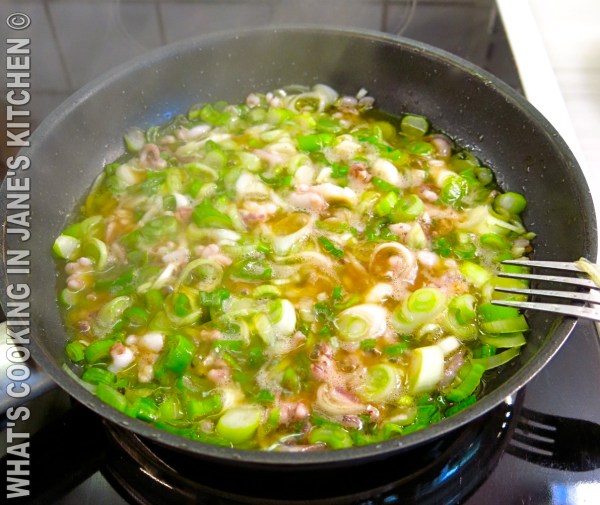
Simmer gently.
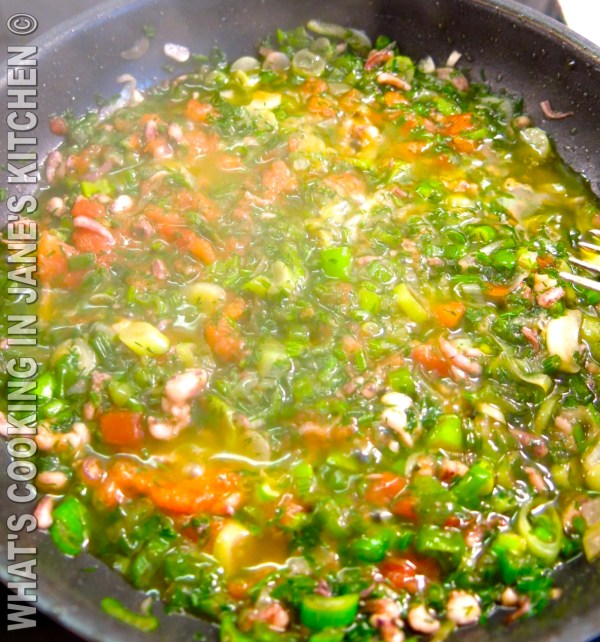
Add cubed tomato.
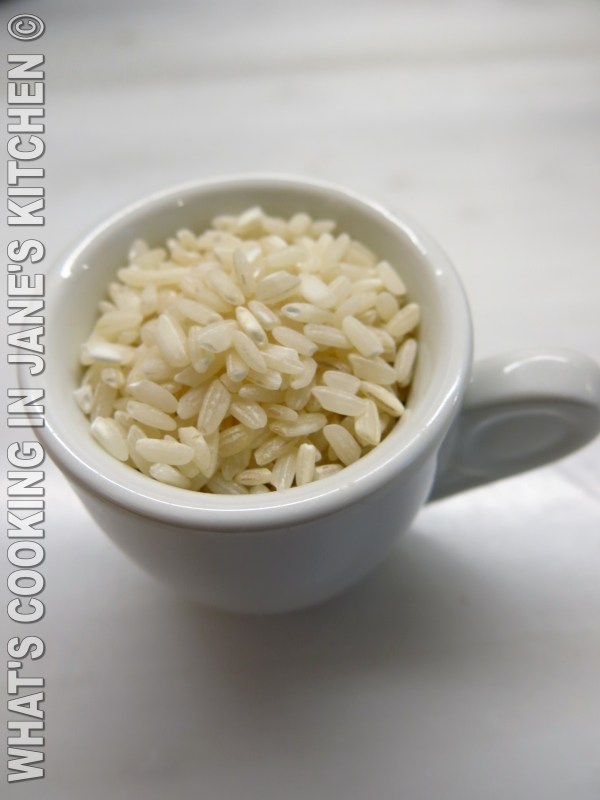
Add 2 Greek Coffee cups ( 4 Tbs.) full of rice. I have chosen ‘Patna/Glace Rice.’ Basmati is also very good.
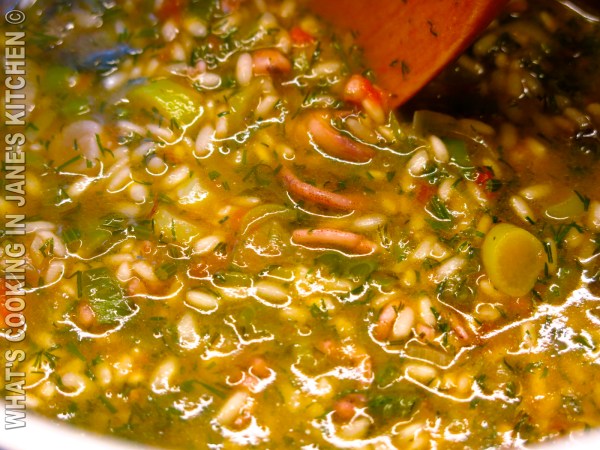
Simmer for another five minutes, or until liquid is reduced and fairly thick.
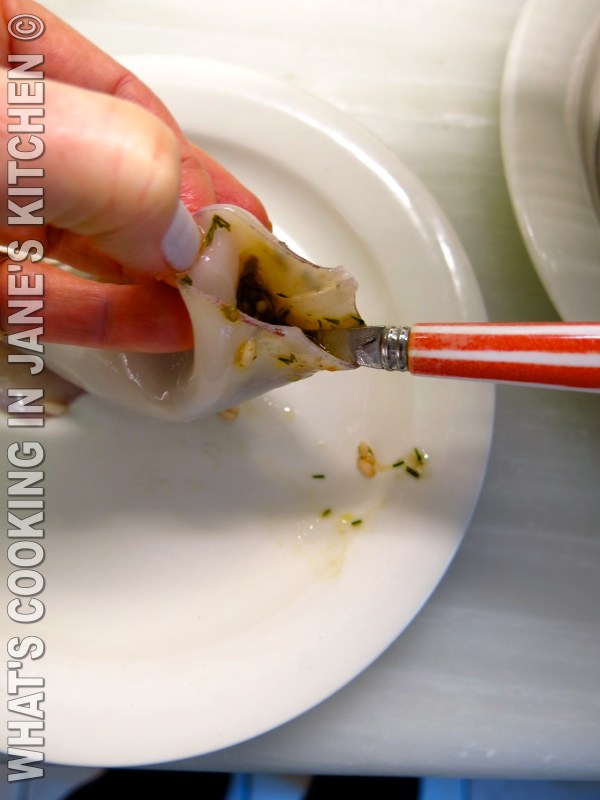
Stuff Calamari using a teaspoon no more than 2/3 rds full, because you need to leave room for the rice to expand during cooking.
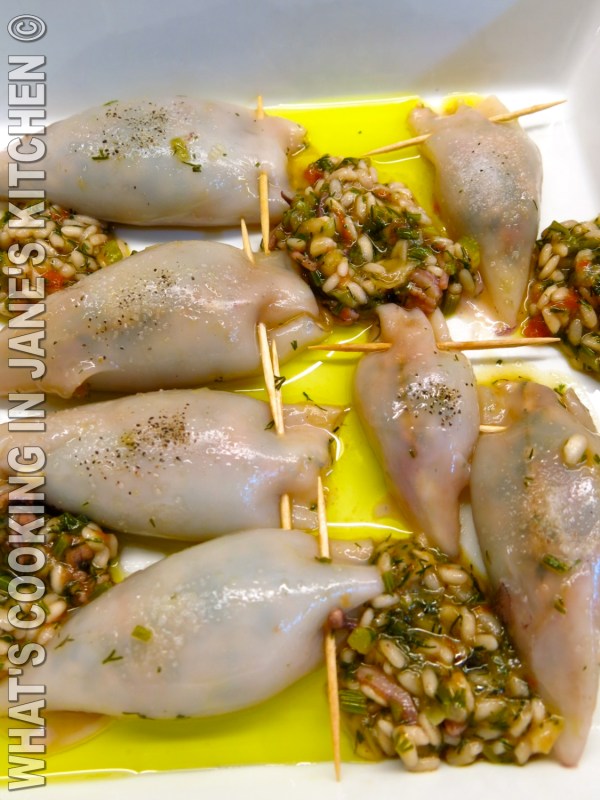
Close ends by passing your tooth-pick in and out of both layers of Calamari.
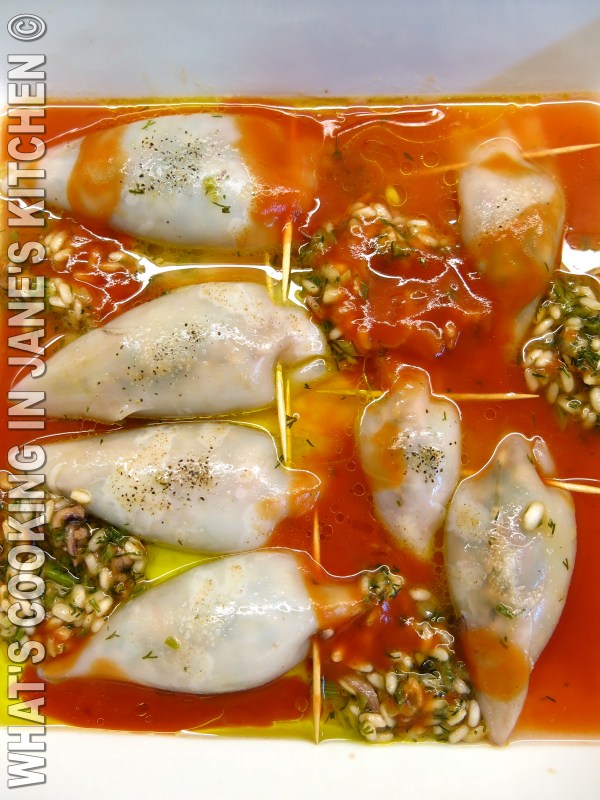
Surround with any left over stuffing and drizzle with olive oil and pureed whole tomatoes. ( Pommaro )
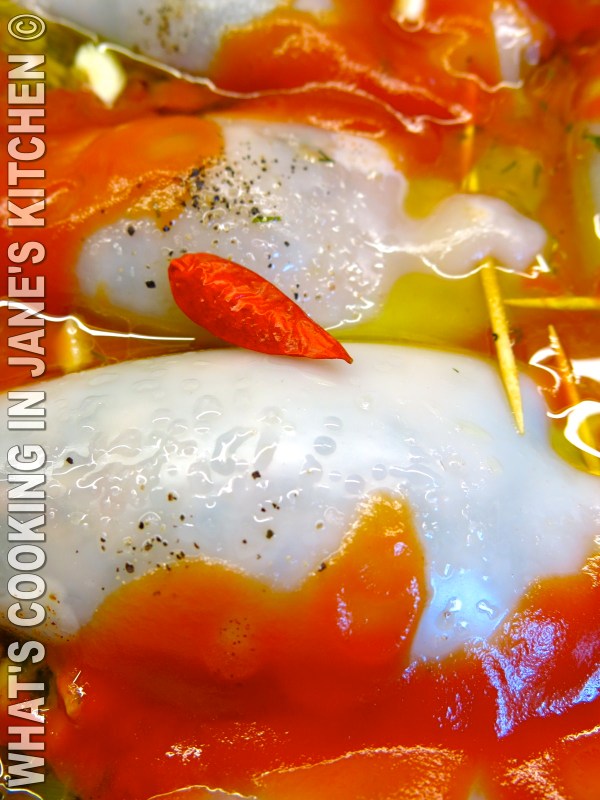
Add a hot pepper or Chili on top, cover oven-proof dish with tin foil and place in pre-heated oven 200.C/400.F.
After 20 minutes cooking, your Calamari will have swollen. Remove tin-foil, baste and leave for another 5-10 minutes
to brown just a little.
Ready to serve.
Delicious!
Octopus Stifado ©
As we approach the beginning of lent in Greece, starting this Clean Monday the 14th, I thought I would share with you this delicious recipe. Now if you have never eaten Octopus, you will be in doubt, but believe me this is something to try.
Other popular recipes for this feast:
Homemade Halva.
https://whatscookinginjaneskitchen.wordpress.com/2015/04/03/greek-homemade-halva/
Taramosalata.
https://whatscookinginjaneskitchen.wordpress.com/2013/03/14/janes-taramosalata-2/
Bean Salad.
https://whatscookinginjaneskitchen.wordpress.com/2013/03/20/bean-salad/
Easy
6-8 persons
Ingredients
1 medium sized fresh or frozen Octopus. (The smaller the more tender)
( A little vinegar for washing Octopus )
1 kilo baby onions or shallots ( Try to choose them all the same size )
1 stick of cinnamon
4 whole cloves
1 tbs whole small coriander seeds (Optional)
2 sprigs of fresh rosemary
2 bay leaves
2-4 cloves of garlic
1-2 tbs tomato purée
1 cup of red wine
3 tbs olive oil for frying onions
Salt freshly ground pepper to be added at the end of cooking. ( Octopus is salty already!)
Method
1. If you buy a frozen Octopus, the freezing tenderises the Octopus. If it is fresh, make sure it has been well tenderised by the fisherman. The tentacles should be curled up at the ends and the octopus should tear easily at the tentacle joins. This is why I always buy smaller ones, as they are more tender.
2. De-frost over night at room temperature and wash very thoroughly, especially as sand sometimes remains in the suckers.
3. Remove contents from inside head sack. Cut away eyes, if not already removed. Cut through mouth opening to remove hard beak and mouth section inside. (See photos) Wash thoroughly with vinegar and rinse with cold water.
4. Place whole Octopus in saucepan, together with bay leaves and 1 cm of water covering base. Place lid on top and simmer over medium to high heat until tender. Once the Octopus heats it will change colour from grey to red. Keep an eye that it does not boil dry, ( this can happen very easily!) The Octopus will release water as it cooks. To tenderise requires about 45 minutes. Test at thickest part with the point of a sharp knife, when it is soft and falls off the knife easily, it is ready. The bigger the Octopus the longer the cooking time.
5. Place small onions in bowl and cover with boiling water. As soon a cool enough to handle, peel, pat dry with kitchen paper and fry in a little olive oil, until browned all over. Remove and drain.
6.Once Octopus is tender, remove from saucepan and cut into mouth sized pieces, removing outer skin with suckers, or not, depending on what you like. Some say, “No,” others prefer the meat without the suckers.
7. Return to saucepan, where there should be about a centimetre of juices covering the bottom of your saucepan, add onions and the rest of your spices, rosemary, tomato purée diluted in a little water, red wine, roughly chopped garlic and cook over a gentle heat, for about 3/4 hour, until the surrounding liquid is thick and the onions and Octopus are tender. If you have too much liquid, remove lid and leave to simmer, until sauce has reduced and thickened.
Taste sauce for salt and pepper.
8. Place in warmed serving dish and serve hot along with crusty bread. This can be both a starter or eaten as a main course.
Gather all your ingredients together.
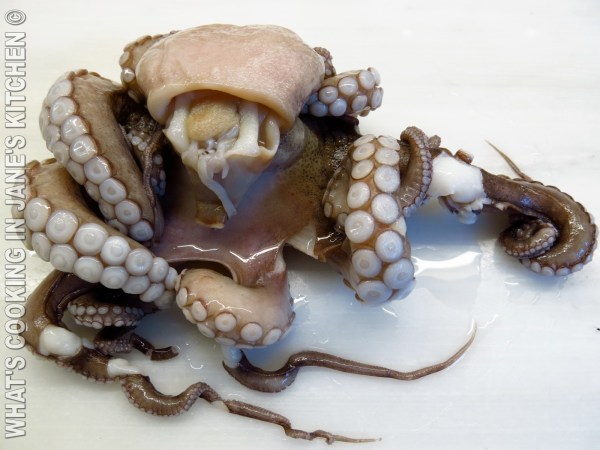
Once your Octopus has de-frosted over night at room temperature, or when using a fresh one, remove contents from inside head sack. You can see it here in the centre, in the above photograph.

You can see this Octopus is tender, because the ends of the tentacles are curly.
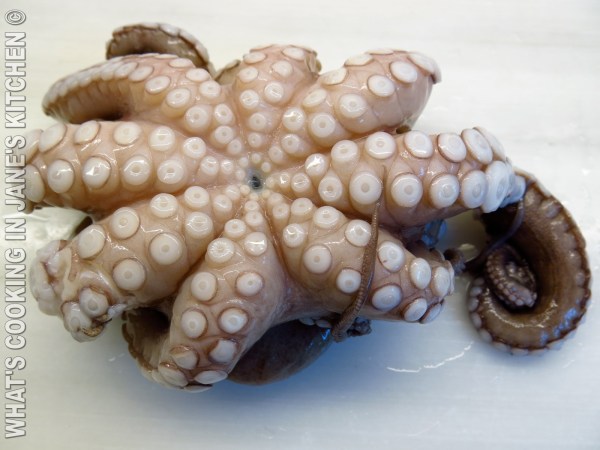
The black whole in the centre is the mouth.
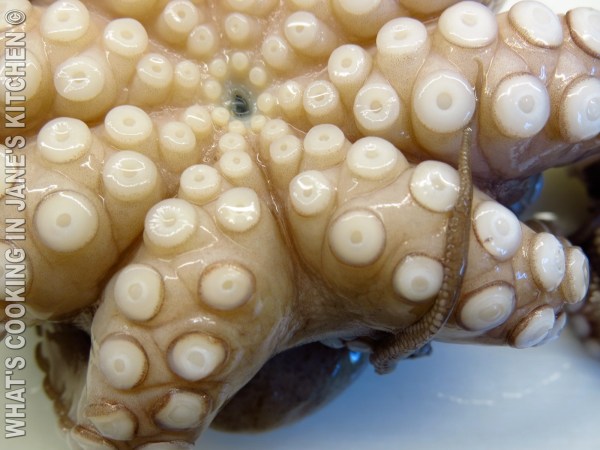
The mouth contains a hard beak, which you should remove.
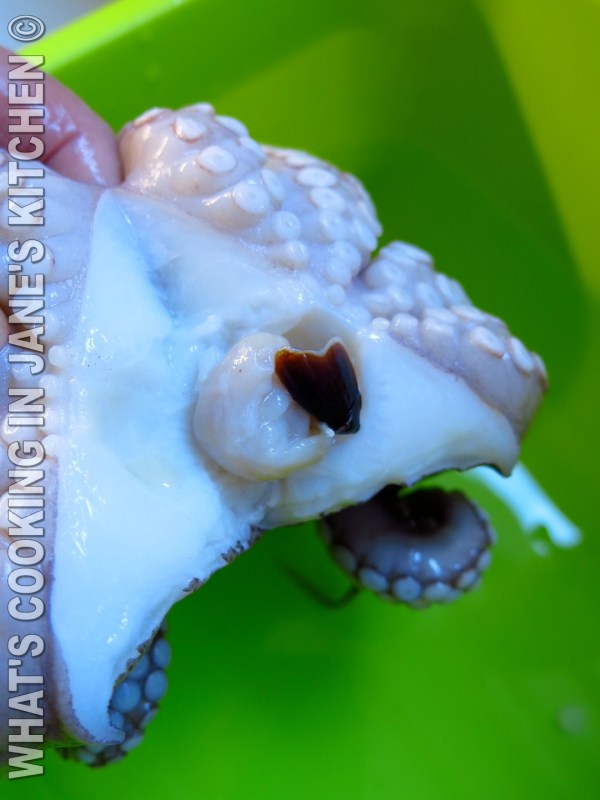
Cut open and remove hard beak and mouth section.
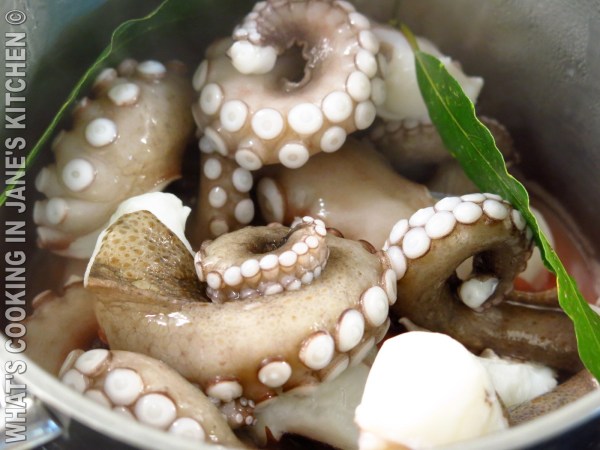
Place in saucepan along with bay leaves. Cook over a medium/high heat. Be careful it doesn’t burn dry!!!! This can happen very easily!
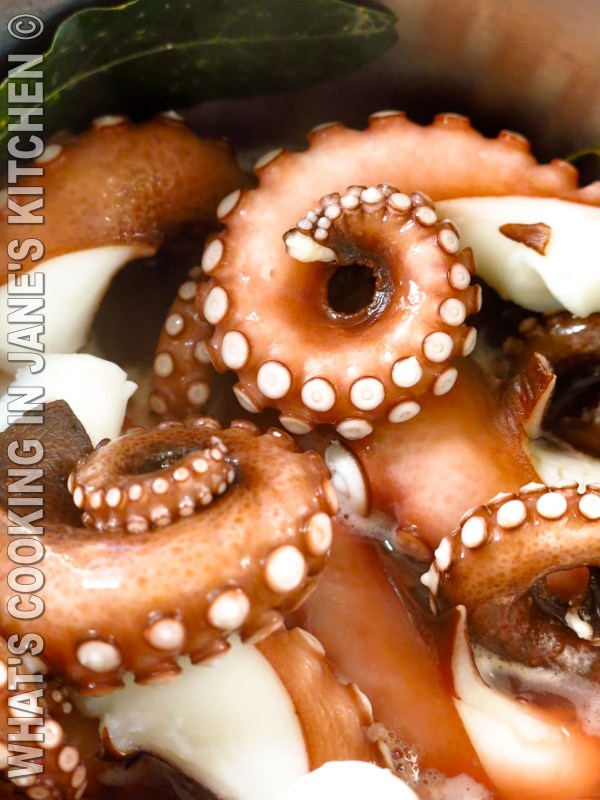
As the Octopus cooks, it will changes colour from grey to red and release water.
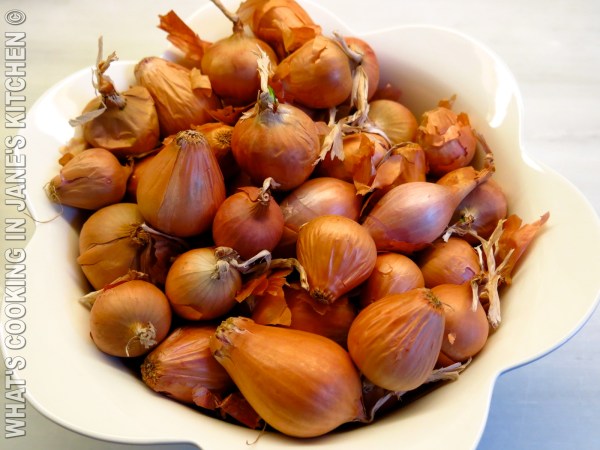
Place small, mouth sized Onions into bowl and cover with boiling water. When cool enough to handle, peel. The ‘soaking’ in boiling water makes it easier to peel them.
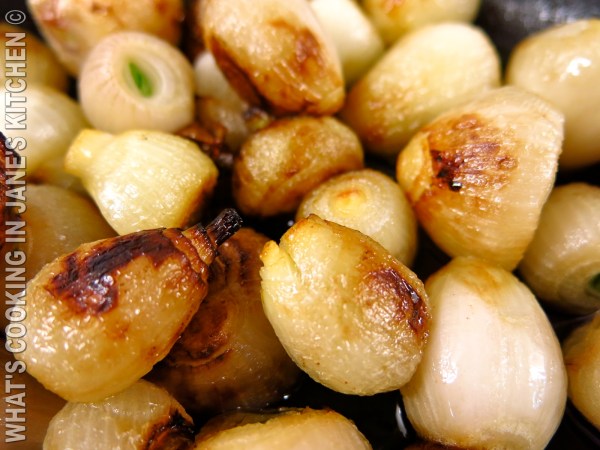
Fry in olive oil, until browned. Take care not to blacken as it makes sauce bitter!
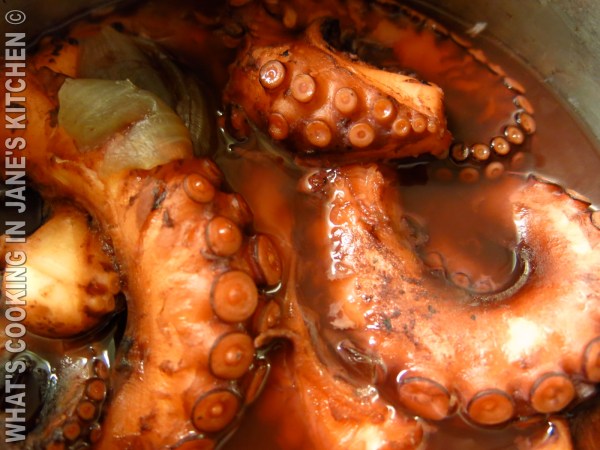
Here the Octopus has been cooking for about 45 minutes. If it is tender when pierced with a sharp knife, remove from heat.
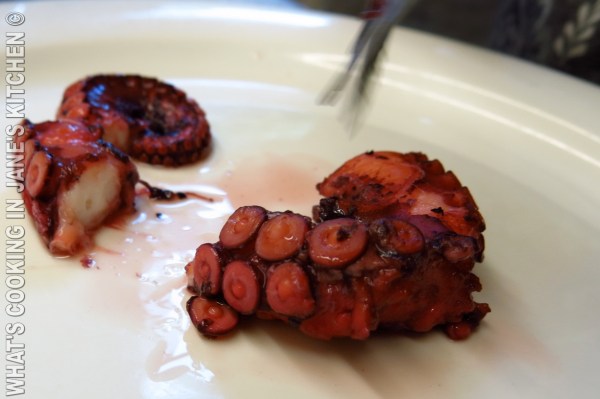
Remove Octopus from saucepan and cut into mouth sized pieces. If preferred, remove outer skin along with suckers. It comes away easily. Return Octopus to saucepan.
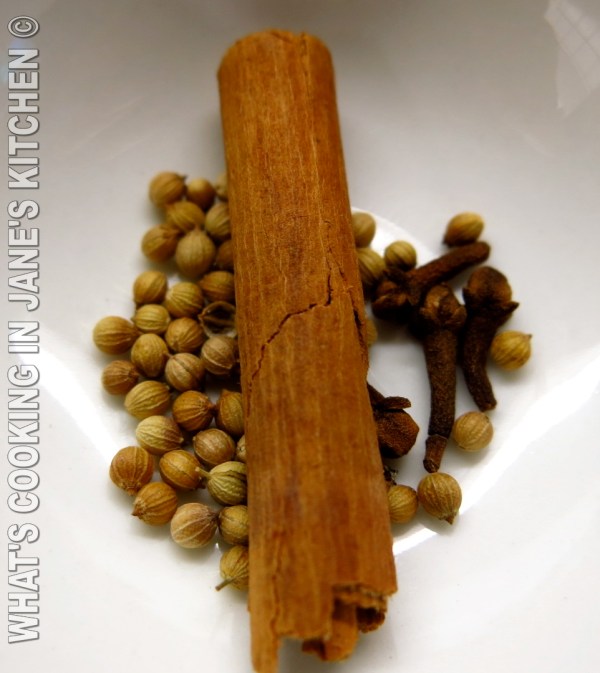
Add spices.

Add rosemary and garlic roughly chopped.

Add red wine.

Add 1-2 tbs tomato purée, diluted in a little water. This is a wonderful traditional Greek canning Company, which has been around for as long as I can remember!
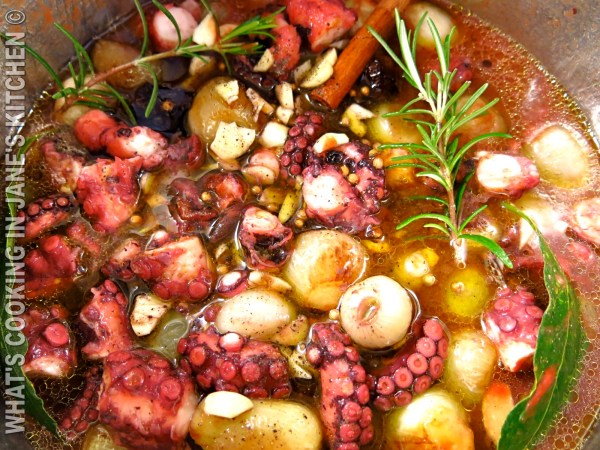
Add a little salt and pepper. Simmer over a gentle heat until sauce thickens and onions and Octopus are tender. This can take half to three quarters of an hour.
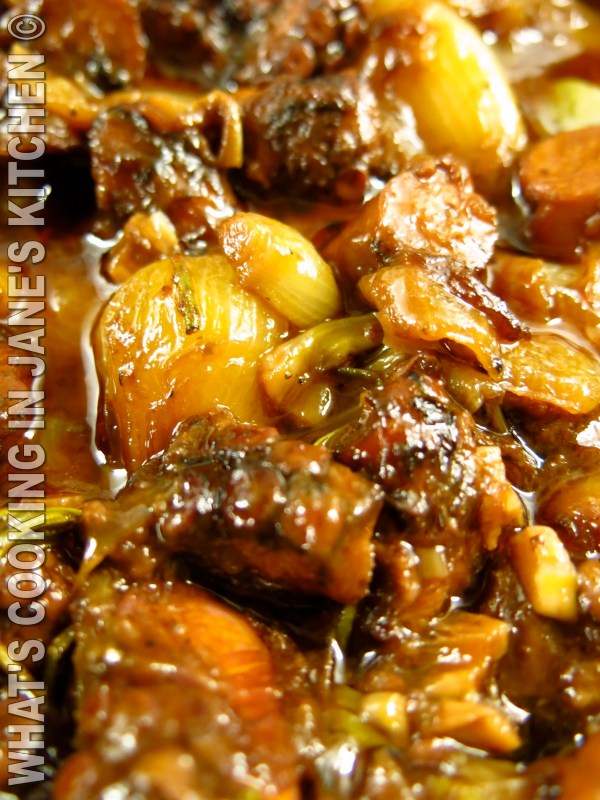
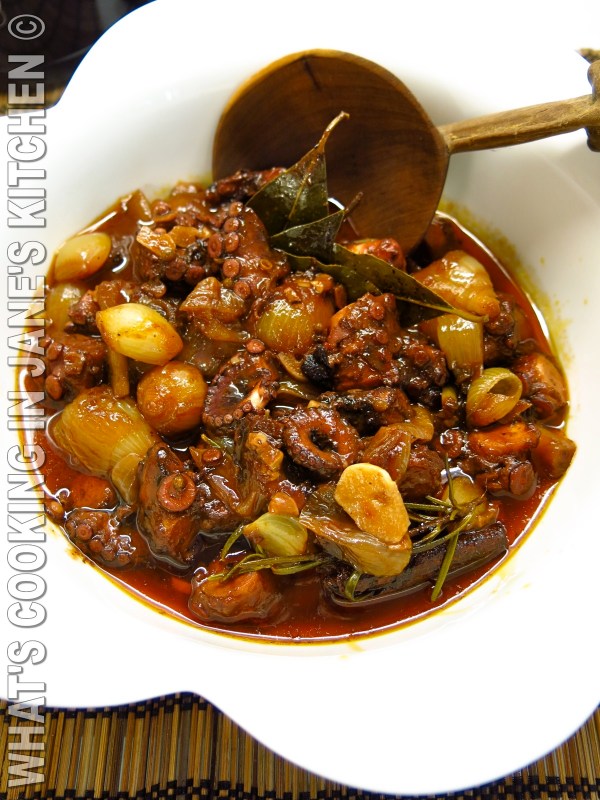
It should end up looking like this.
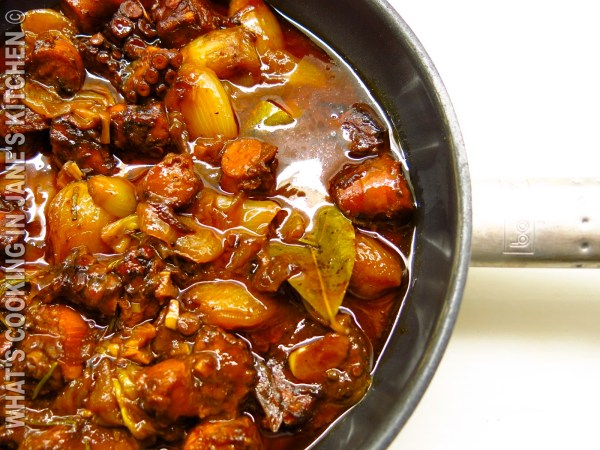
Just delicious!
Serve with hot crusty bread!
Spring Boost! ©
Spring is here! Time to get in shape!

Spring is always a good time to clean up and shape up for the summer! Lots of fresh fruit, plenty of vegetables, raw, lightly steamed, or grilled and a definite break from sugar, butter, cream, white flour and LESS SALT!
Brown whole meal bread, brown rice, chickpeas, lentils are all healthy, but take a break from Alcohol and Caffeine and take plenty of exercise and get plenty of sleep. You may be doing all this already, in which case well done, but most people, have a soft spot somewhere, so now is the time to freshen up!….Chocolate, not until after Easter!
If you want to go all the way, don’t mix Proteins with Carbohydrates at the same meal and eat fruit until 12.00 mid day. Have your main meal in the middle of the day and a light salad or vegetables for dinner. Give dairy products a rest too, they just clog up the system especially milk, but low fat yogurt is always good for you and a little unprocessed cheese, with your vegetable is delicious. Use loads of fresh herbs to give things taste, and lemon juice, Dijon mustard, but be very careful on the quantity of olive oil. 1 tsp of olive oil in your dressing and a tbs of yogurt makes an excellent alternative.
If you are Fasting for Easter, you will know your regime, so you can get ideas from the below recipes and adapt them accordingly.
Every one knows their own personal requirements and limits. This is just a suggested regime which I do every year and suits me. If in any doubt consult a specialist first. There are a million regimes out there, this is more a healthy way of eating.
Through out this month I will be posting recipes for energy cleansing and health, here are some basics to get you started.
Here is an example of a daily meal.
8. a.m. Breakfast : Fruit salad and orange juice.
or Brown bread toast and honey and green tea ( no butter or sugar, a teaspoon of honey if you like.)
or 45 g Alpen sugarless Muesli with a little low fat milk or Porridge. (Quaker Oats.)
11. a.m. A Granny Smith Green apple or other apple of your choice.
2.0 p.m Grilled Fish or Chicken or Beef with vegetables. ( no potatoes and limit beetroot and carrots and the lovely avocado to twice a week. )
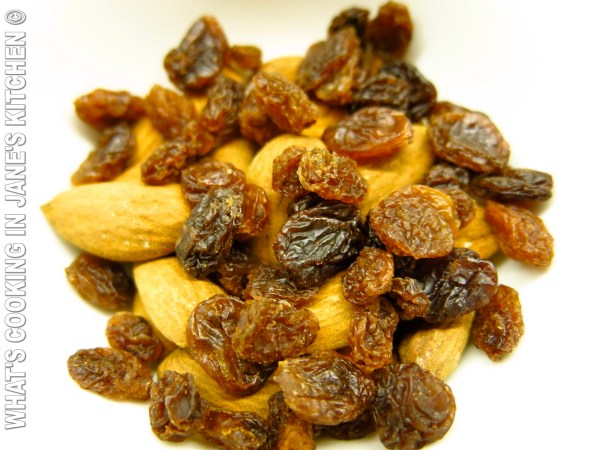
5.0 p.m. 1 heaped tbs each unsalted almonds and raisins.
Or an apple.
8. p.m. Any vegetables or salad or mixture of the two, or brown rice with vegetable.
You can have with your vegetables, yogurt or a little unprocessed cheese.
You can make a dressing with a little salt, pepper, mustard, lemon juice and 1 tsp olive oil and freshly cut herbs and 1 tbs yogurt.
If you want fruit with your meal, eat it 1/2 an hour before, as it is absorbed better this way.
Drink water in between meals, rather than with your meal. 1.5 liter per day minimum.
Emergency snack: Finnish, whole wheat crisp wafers!
Exercise : 1/2 to one hour per day. A brisk walk, costs nothing and fills your lungs with fresh air.
Breakfast

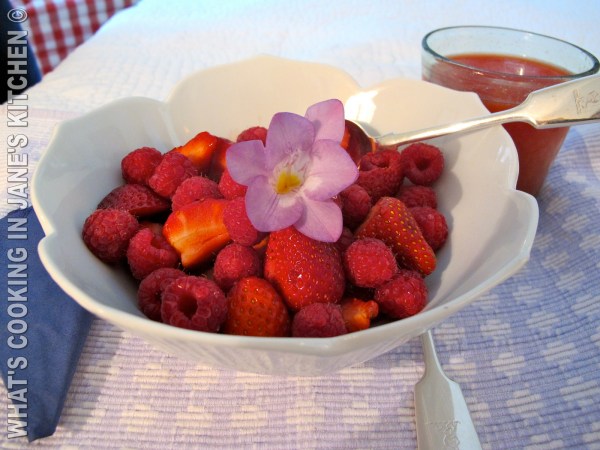
Alternatively Strawberries and Raspberries and a Sanguine orange juice.
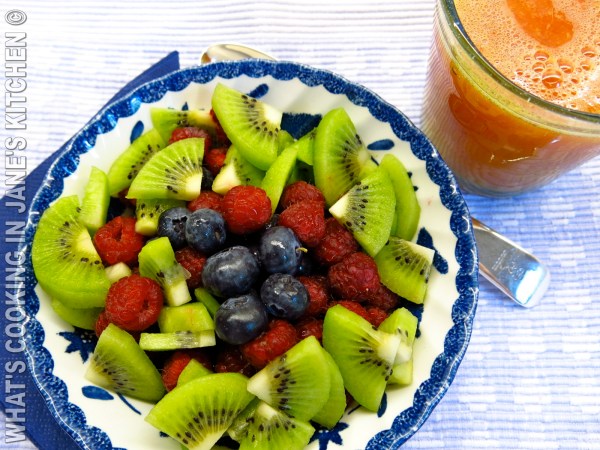
Or Mixed Fruit Salad, Raspberries, Blueberries, Pomegranate, Mandarin segments, mint leaves and Verbena leaves.

Cut up your fruit salad just before you want eat it, so that you don’t lose the vitamins.

Alternatively, if it is a cold morning begin with Porridge ( Quaker Oats. ) Place 2-3 tbs of oats in a bowl, pour over a little
boiling water, mix well and allow to swell. Sprinkle with raisins. if not on a cleansing regime, this is made with hot milk
Greek Honey or Canadian Maple Syrup and a pinch of salt. You can also heat it up in a saucepan.
Oats are also very good for the digestive tract. You can accompany this with a hot cup of herbal tea, Camomile for example or fresh
Mint Tea is very refreshing. I just pluck a few mint leaves off my mint bush and put them in the tea-pot.

Valencia Orange.

Sanguine, blood Orange.
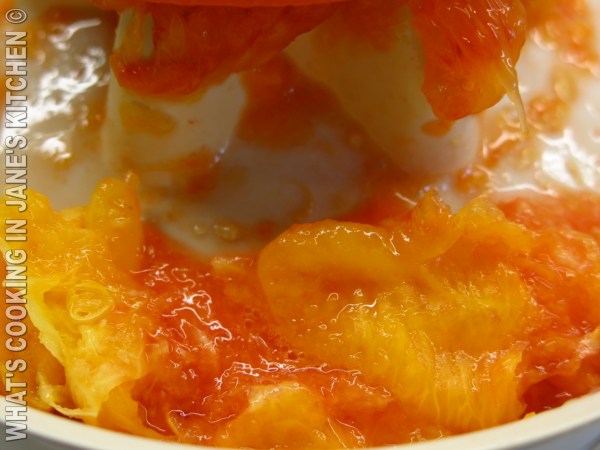

Squeeze your orange juice just before you want to drink it, so that you don’t lose the vitamins.

Now doesn’t that just start your day off full of color and sun shine and goodness!
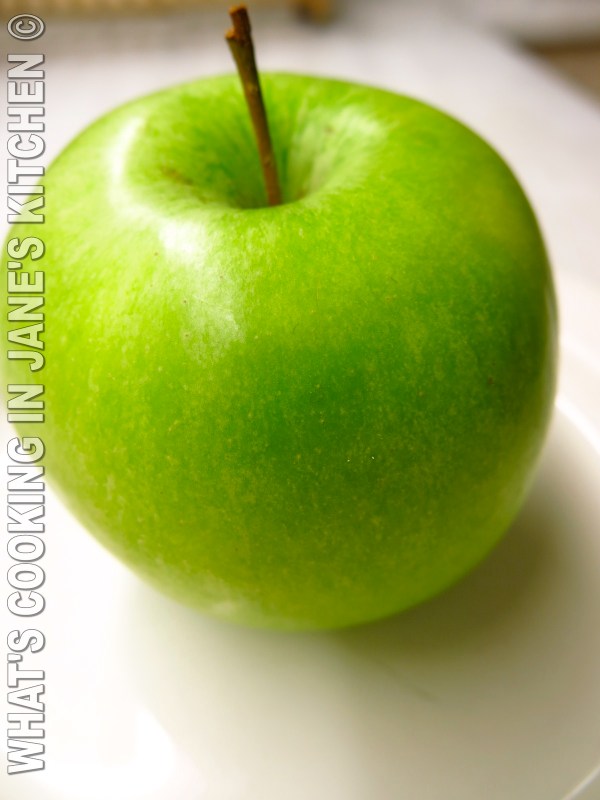
Snack : 3 hrs later : A nice crisp green apple, or other apple of your choice. Remember only fruit until mid-day. This cleans out the system and doesn’t weigh the body down digesting a heavy breakfast. You can have a bowl full of any fruit you like, but only include bananas if your very hungry.
Lunch : 3hrs later : Any Fish, Chicken or Beef, grilled or roasted or in the case of Fish, steamed, together with any green vegetables of your choice. ( If you are fasting for Easter: Calamari, Octopus, Prawns. recipes coming up next! )

Grilled marinaded Thai Fish: See under “Fish” in Index.
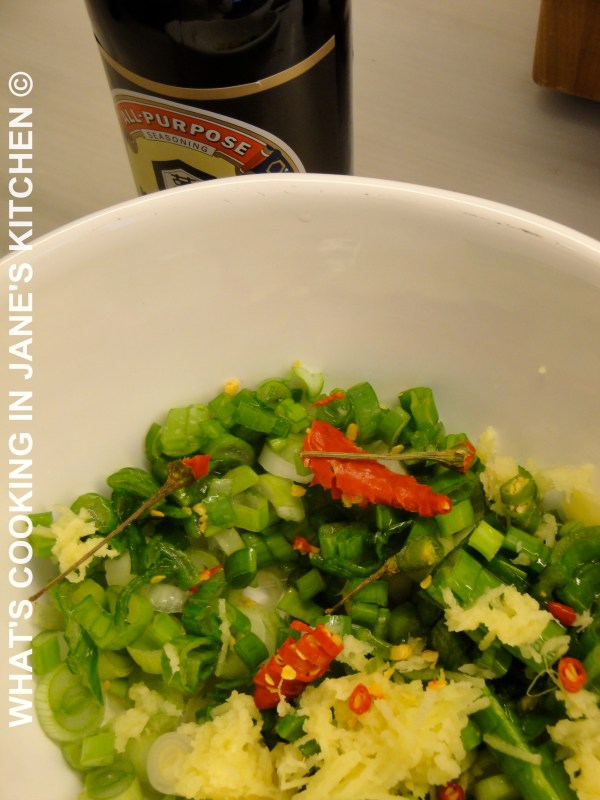
Marinade.

Kerala Fish: See under “Fish And Seafood” in Index.
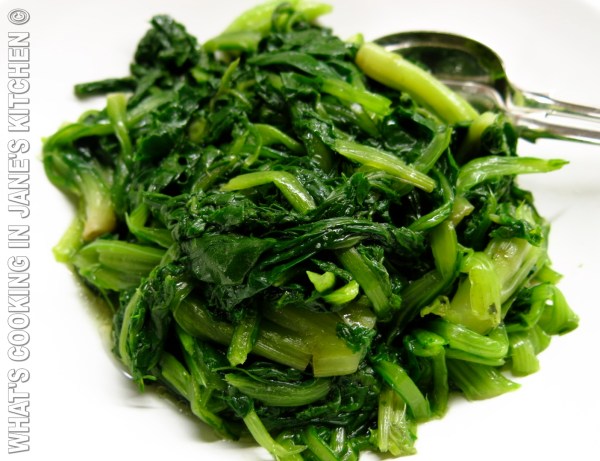
Vegetables.
Seskoula/Silver-beet/Swiss Chard. Easy to clean, boil in a little water, drain and dress with oil and lemon.
N.B. Remember all vegetables grown above ground are cooked in boiling water. All vegetables that are grown
underground, potatoes, carrots, for example are placed in cold water and brought to the boil.
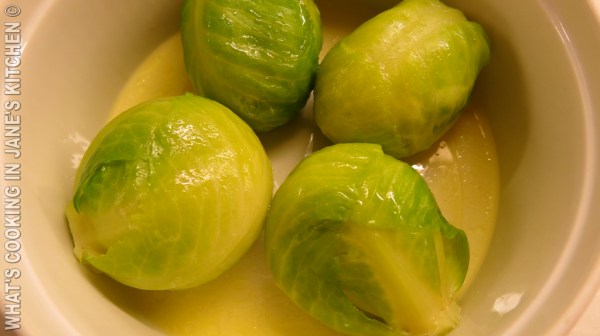
Small Cabbages/Giant Brussels Sprouts. Clean and boil, salt pepper a little olive oil.
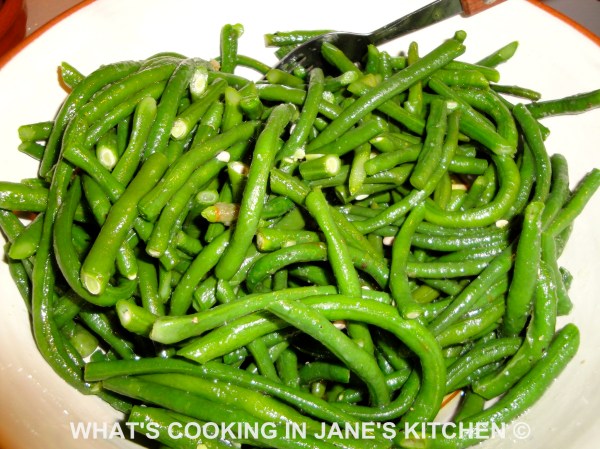
Bean Salad. Top and tail, boil until just tender, drain. Dress with salt pepper and a little olive oil.
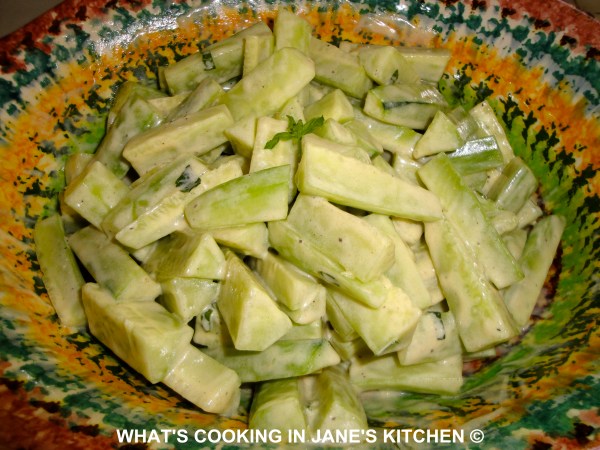
Cucumber Salad. Peel cucumbers, cut into sticks, dress with yogurt vinaigrette. ( Salt ,pepper, 1 tsp dijon, 1 tbs yogurt,
chopped mint leaves or chives. 1 tsp olive oil. Normally one would add 1 tbs of olive oil.)

Beetroot Salad. Wash beet tops and bottoms thoroughly, place tops in boiling water . Cook until stalks are tender.
Remove and drain, then add bottoms to boiling water, until they drop off when pierced with the tip of a knife. Peel and slice over leaves. Drizzle with olive oil, salt and pepper.
***Remember Beetroot, Carrots, Tomatoes, Red/Yellow peppers have more sugar in them!
Snack 3 hrs Later : 1 heaped tabs raw Almonds and 1 heaped tbs Raisins.
Dinner 3 hrs later :
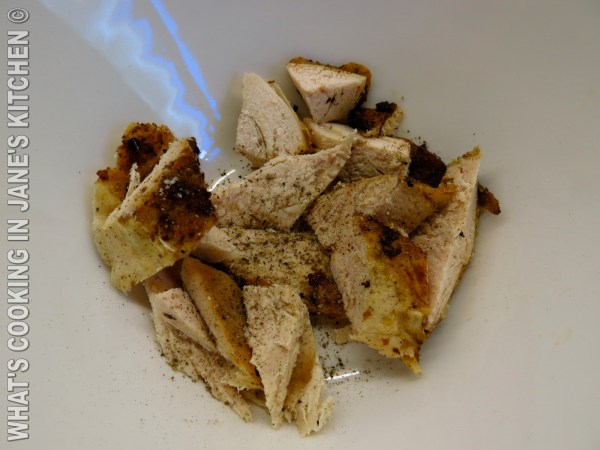
Cold Roast Chicken.

Add Avocado.
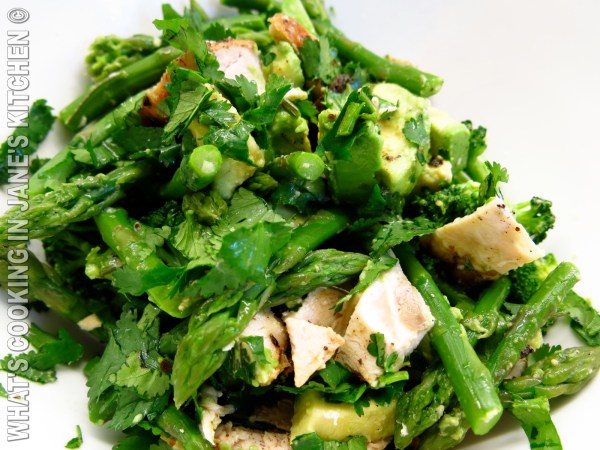
Add coriander leaves and asparagus tips.

As an alternative add carrots.


Add Broccoli. Drizzle with dressing made from Dijon mustard, yogurt, salt pepper, lime zest, lime juice finely grated ginger,
1 tsp olive oil.

Add fresh red chili if you like your salad hot!
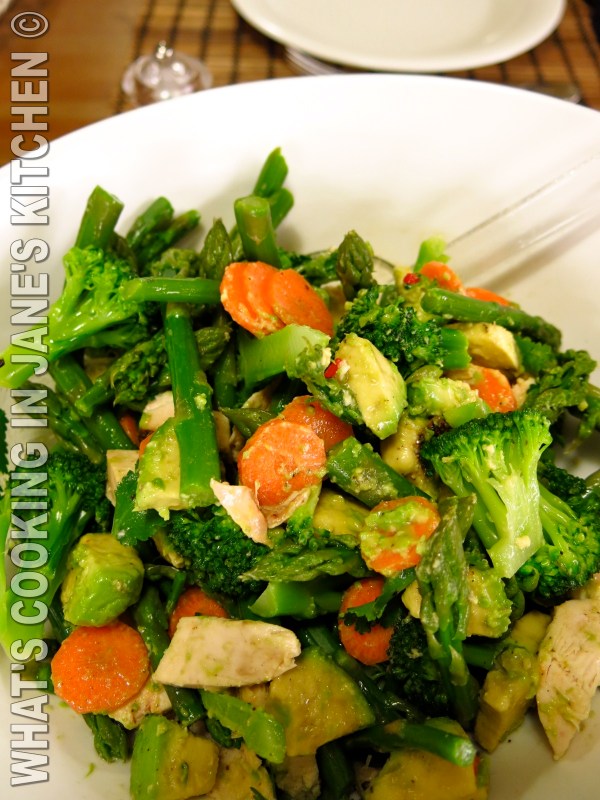
Mix well.
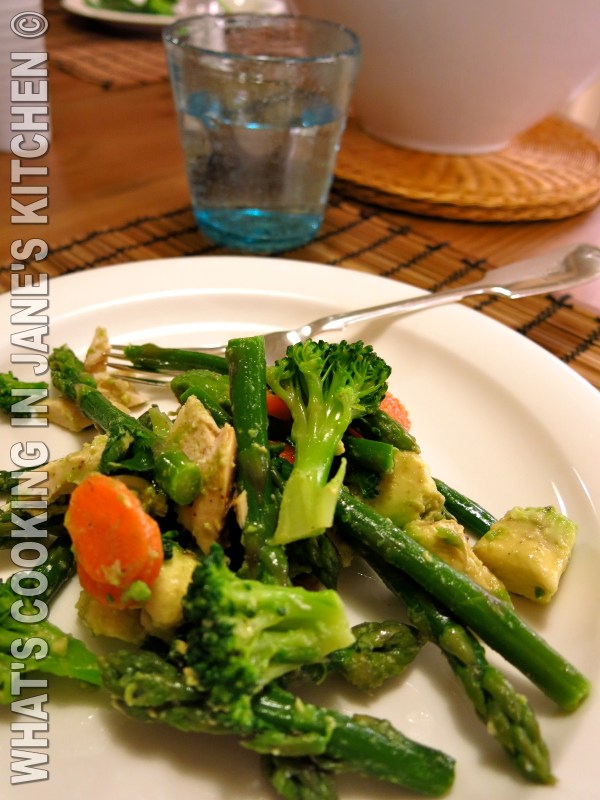
Lunch and dinner are interchangeable, if family only come home in the evening, but the best is to have a light supper,
because you sleep better and you burn up the calories better in the middle of the day. The above salad, because it has
chicken in it, can be a main lunch meal. Instead of chicken you can add Beef or fish. Eat Fish Meat or Poultry
only once a day or not at all. For example you could have a substantial brown rice lunch and salad or vegetables in the
evening.

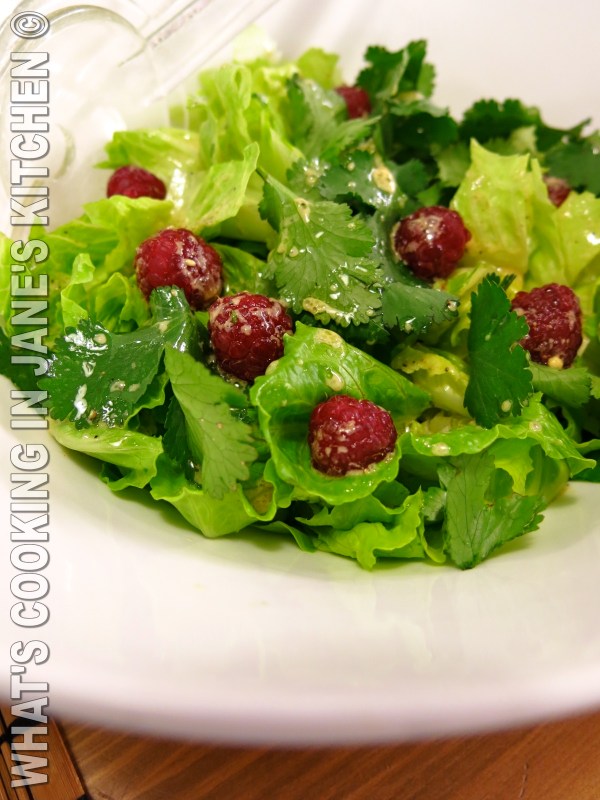
Raspberry, lettuce and coriander salad for your evening meal with vinaigrette.
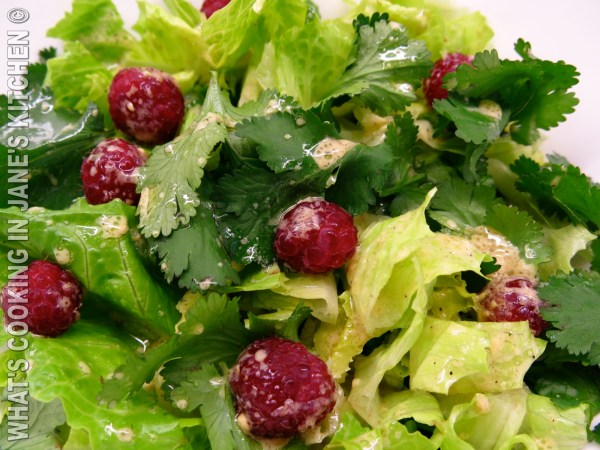
Just delicious!
 What's Cooking In Jane's Kitchen